
I came home upbeat from a screening of the People’s Emergency Briefing film last week. Which might seem weird. The film features leading UK experts explaining clearly the stark reality of the climate and nature crisis and the escalating risks to our food supply, healthcare, jobs and security.
It’s a must-watch. To face what’s coming is disturbing, distressing, frightening. And this summer has ratcheted up the evidence of overheating, drought, wildfires, and the catastrophic glacier collapse in Nepal. Yet the film also sets out the solutions that can and must be taken to avoid catastrophe. And it builds a sense of community and agency by inviting all of us to take action that’s within our power.
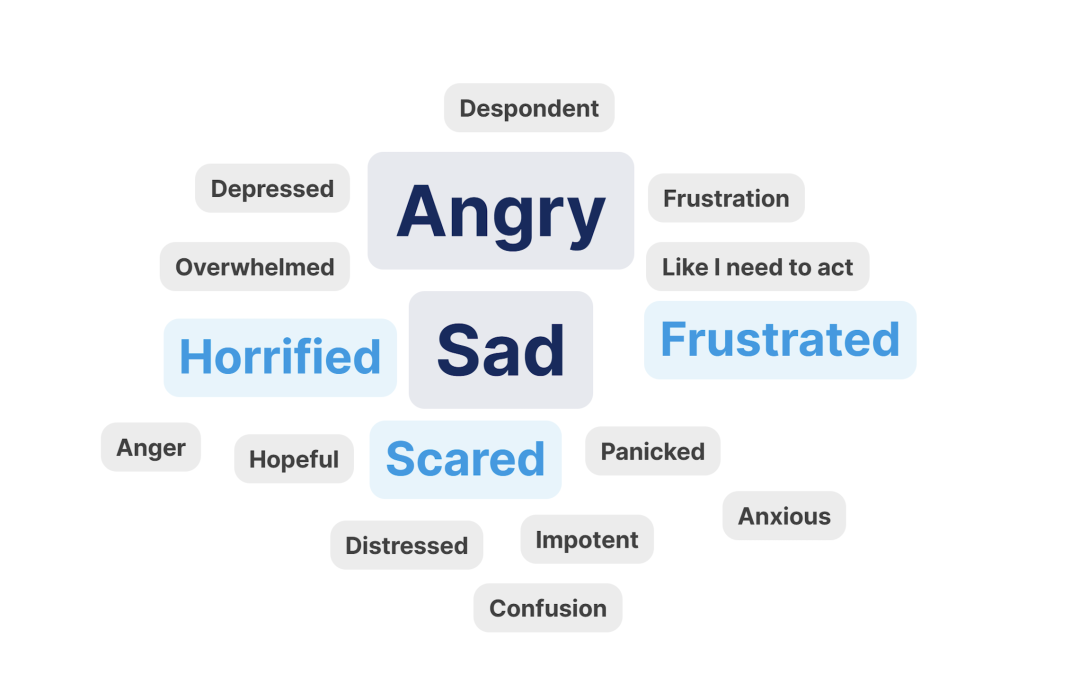
I was facilitating the post-film feedback and discussion at the event, hosted by the local branch of the Salvation Army. First, we asked people to share how they were feeling. Horrified, sad, scared, frustrated and – particularly – angry. But the word ‘hopeful’ was also in there, along with ‘need to act’.
Then we asked: ‘What kind of response currently feels realistic or appropriate for you?’ People got deep into conversation at their tables. Then we invited them to share ideas with the whole room.
People wanted action from leaders. And yes, that’s where the biggest responsibility lies. The film calls on the government for an expert briefing on primetime national television – just like the expert briefings during Covid – so that the public is fully informed and knows what needs to happen.
Then we drilled down into things that each of us could do or encourage neighbours to do – just as everyone pitched in for the Second World War effort.
People wrote ideas and actions on sticky notes and put them on the wall, including:
Use neighbourhood social media groups to encourage people to go to a local screening – and tell 10 people you know to go to a screening. There are thousands taking place in communities and workplaces across the country, but lots of people don’t yet know about them.
- If your MP has already signed the Parliamentary Call for a live television briefing, thank them. MPs don’t often get thanked. 158 have signed. And if they haven’t signed it, write and ask them to do so.
- Strengthen neighbourhood networks to support one another, especially the vulnerable, during heatwaves, flooding and other impacts.
- Encourage your local community to share surplus fruit and veg to cut food waste
- Have meat-free days at home, in school and work canteens, and on restaurant menus.
- Stop concreting over front gardens to avoid the risk of flooding.
- Turn part of your garden (if you have one) into a fruit and veg patch.
- AND, if you’re overwhelmed by all the things you could be doing, take the late Michael Mosley’s advice to focus first on ‘just one thing’.
Small steps all add up.
For additional ideas, Heather Poxon of the Salvation Army put information from Take The Jump and Community Energy schemes, together with a list of local environmental organisations, and a packet of wildflower seeds, on each table.
How are you feeling about the climate crisis?
Have you been to a screening yet?
If you’ve hosted or facilitated one, what worked particularly well?
With thanks to Linda Aspey and National Emergency Briefing for their thoughtful guidance on the screenings and discussions. Find a screening near you here. Contact NEB to get info about how to host your own screening for your community or workplace.